


The Science of Raising Thriving Teens with Katy Granville-Chapman


Ask Rachel anything If you’ve ever looked at your teen glued to a screen, living on junk food, or melting down over “nothing” and thought, What am I doing wrong? — this episode will change how you see everything. In today’s fast-paced, often overwhelming world, understanding how to foster resilience, well-being, and cognitive development is key to raising thriving children Today's guest, Dr Katy Granville-Chapman, author of Growing Minds: The Science of Raising Thriving Teens”, gives us the e...


If you’ve ever looked at your teen glued to a screen, living on junk food, or melting down over “nothing” and thought, What am I doing wrong? — this episode will change how you see everything.
In today’s fast-paced, often overwhelming world, understanding how to foster resilience, well-being, and cognitive development is key to raising thriving children
Today's guest, Dr Katy Granville-Chapman, author of Growing Minds: The Science of Raising Thriving Teens”, gives us the evidence-based information we parents need to support our children's brain health. She explains:
- How big tech and junk food companies are hijacking your teen’s dopamine system
- Why your child actually wants to do well (and what keeps derailing them)
- Simple, science-backed ways to:
- Get buy-in on screen limits (without endless battles)
- Use identity-based habits so teens choose healthy behavior themselves
- Teach emotional regulation as a skill, not a personality trait
- Check your teen’s “body budget” (sleep, movement, food, connection) before assuming there’s a crisis
- Why kindness and contribution are secret superpowers for teen resilience
- And the one message every guilty, overwhelmed parent needs to hear: it’s never too late, and you’re doing better than you think.
Listen now and learn how to move from nagging and panic… to mentoring your teen so they can truly flourish.
DISCOUNT CODE ON PRE-ORDERS OF KATY'S NEW BOOK:
Click this link and use the code UNTANGLED25
Please hit the follow button if you like the podcast, and share it with anyone who might benefit.
You can review us on Apple podcasts by going to the show page, scrolling down to the bottom where you can click on a star then you can leave your message.
Please don't hesitate to seek the advice of a specialist if you're not coping. There's no shame in reaching out for support. When you look after yourself your entire family benefits.
My email is teenagersuntangled@gmail.com
My website has a blog, searchable episodes, and ways to contact me:
www.teenagersuntangled.com
Find me on Substack: https://teenagersuntangled.substack.com/
Instagram: https://www.instagram.com/teenagersuntangled/
Facebook: https://m.facebook.com/teenagersuntangled/
You can reach Susie at www.amindful-life.co.uk
01:30 - How Dopamine and Modern Life Hijack the Teen Brain
03:38 - What Actually Works to Reduce Screen and Gaming Battles
07:11 - The Teenage Brain Is Highly Changeable and Full of Hope
08:30 - Identity-Based Habits: Helping Teens Decide Who They Want to Be
12:00 - Values, Heroes and Deeper Conversations With Your Teen
13:33 - Healthy Habits Without Being Controlling or Overbearing
16:10 - Sport, Teams and Why Achievement Alone Feels Empty
18:57 - Setting High Standards Without Crushing Your Teen
20:21 - Emotional Regulation Is a Learnable Skill, Not a Trait
25:17 - The “Body Budget”: Sleep, Food, Movement and Meltdowns
28:51 - Simple Daily Ways to Strengthen Connection With Distant Teens
30:46 - What Real Teen Resilience Looks Like in Everyday Life
33:18 - Kindness, Contribution and the Science of Teen Flourishing
36:30 - Helping Boys Express Care and Kindness in Their Own Way
37:53 - You’re Doing Better Than You Think: Guilt, Repair and “Good Enough” Parenting
40:21 - Why Your Thriving Matters Too: Parents, Passions and ADHD
Rachel Richards:
Hello, and welcome to Teenagers Untangled, the audio hug for fearless parents of tweens and teens. I'm Rachel Richards, former BBC correspondent and CNBC Europe world news anchor, mother of two teenagers and two bonus daughters. Now, we all want our kids to do well, but as parents and leaders, the big question is, How do we create the conditions for us and our children to thrive? Now, today, we'll get some simple, actionable things we can implement at home that can make all the difference. Who's going to give them to us? Well, we're honored to be joined by the author of a book that's just about to come out, called
Growing Minds:
The Science of Raising Thriving Teens. The author, Dr. Katie Granville Chapman is a mum who served in the British Army in Iraq, Europe, and the United States, then moved into school leadership roles and completed a doctorate at Oxford University, exploring leadership and flourishing. She now teaches at Oxford, is a deputy head at Wellington College, and I know how good she is because she acted as a mentor to my daughter Phoebe. She co-founded a global youth leadership movement, which is active in over 100 countries. So, she spends her life translating research into practical ways adults can use to help young people and teams to grow in character and flourish. So, what better person to have helping our own community? Thanks for joining us, Katie. Oh, Rachel, that's so wonderful to be with you. Thank you so much. And, goodness me, has Phoebe been an inspiration in my life. I'm so, so glad I spent that time with her. Thank you. A quick thanks to your publishers for giving us a discount code for people who want to pre-order your book. I'll pop that in the episode notes now. Katie, in your book, you explain how modern life hijacks the teenage reward system through screens, gaming, junk food, social media. What should parents understand about dopamine that completely changes how they approach teen behavior?
Unknown:
Yeah, but so tough for parents now.
Katy Granville-Chapman:
What exactly, as you say, are reward systems is designed to be so helpful, so motivating, allowing us to get the things that really matter for our flourishing done, to allow us to contribute to society, to make beautiful connections. And yet it feels like big companies, so big tech companies, big ultra-processed food companies, have really, really hijacked this reward system, and we're fighting against them because they're employing the best neuroscientists, the best psychologists to try and take our children, our teenagers, who are so sensitive to rewards at this age, you know, they're really chasing that pleasure, they really want the release of dopamine, and it's, it's for the good, we want them to be sensitive to this pleasure at this time, and these rewards, but the trouble is, is that you can get the rewards so much more easily from gaming, or social media, or junk food, and they've been designed that way. And so, for parents, I know I feel like I'm failing every single day to try and help my children get off their screens, eat the healthy food, go and connect in person with their friends, do their homework. It's so, so difficult because, in comparison to the junk food, the social media, the games,
Unknown:
it's so hard for them to actually make that choice and choose to do the less rewarding long-term fulfilling activity rather than the kind of much more immediately gratifying low effort activity.
Rachel Richards:
Yes, so as parents, it's not a personal failing that we are struggling with this. We're all struggling with it. It's not a new thing. Well, it's a new thing for this generation. Yeah, many parents actually feel powerless about screens. Do you have any advice on what actually works when it comes to reducing these, this pull of these dopamine habits?
Unknown:
Oh my gosh. Well, first of all, please, please know that it's unbelievably difficult. Have so much self-compassion, be really, really forgiving on yourself, be really, really patient with yourself, and it's really, really hard, because the trouble is teenagers are super sensitive to being nagged, they're super sensitive to being criticized, and they don't really want to be in a fight with us. So, the first thing I'd say is, listen really, really well to them. Oh, what's this game giving you? What do you love about this game. What's the impact of this game on you? How do you feel after you finish the game? What do you think in terms of who you want to become? Is this game helping you? So, really trying to have an open and curious conversation about it. You know, I think I work with teenagers and have done for years and years and years, and actually they're pretty clued up to this. They have an idea, actually, the games aren't really serving them, you know. They're not going to be able to get where they want to be, they're not going to be able to come, a doctor, a dentist, a nurse, whatever, if they keep on gaming, because they just won't do the things that will allow them to reach their. Long-term goals, and so I think that gives us quite a lot of leverage, if we can, and this is so hard, if we can really have that conversation with them, listen really, really well to their ideas, and try and come up with a kind of collaborative solution that we're both happy with, so you know, we set the boundaries together, and then we hold the boundaries together, and really think about the impact of it, but please know this is much easier said than done, because we know that rewarding activities are so addictive, and actually they're going to feel agitated, they're going to feel frustrated, they're going to feel like they desperately need more of that activity or food after they come off, so that I suppose that would be another bit of advice, don't do it after they've just been indulging in some gaming or social media, or just had a load of junk food, that's not the time to do it, because they, they'll have kind of their stress response will have been going, you know, they've been releasing all these awful things like dynorphin that make them feel rubbish, so I think it needs to be happening at a time outside that, when you're both calm, maybe driving in the car, because that's quite good, because you're side by side rather than face to face on a walk, something like that. So, but it is really, really hard. We're really up against it now. I think,
Rachel Richards:
no, you're right. We've all done that. We've all panicked when we've seen that they've been doing too much of it. We take it away, and then we try to have that conversation, then that's the worst time to have that conversation, and I love your point, because I have - I had done an episode with my younger daughter about the fact that kids do want to do well, they really do, it's just that there are a lot of things conspiring against it, and having that conversation, like you said, where you sit down and discuss with them what their hopes and dreams are, what they like about the games, and actually sit and listen to it and engage, so that they don't feel you're just fighting against them, and then come up with decisions that they have bought into, like what do you hope for. Okay, I'm here to help you with that, so that when you then have to put in place a boundary, you just go, it's the boundaries fault, it's like you decided this boundary was a good idea. I'm just here to help you, like, oh, I'm sorry about the bound, you know, right? Because then it, we're not doing all the heavy lifting all the time, and I found that really helps me.
Unknown:
Yeah, it makes such a difference.
Rachel Richards:
There's a, there's a really hopeful message running through the book that teenagers are incredibly adaptable. So I do think, for some parents, we'll see our kids perhaps going off course or some something's not quite right, and then we panic, and we worry that maybe we've broken them somehow. What does the latest neuroscience tell us about how changeable that teenage brain actually
Unknown:
is? Oh my goodness, so malleable, so malleable, it's so exciting, and it's constantly rewiring, it's pruning, it's kind of laying down these beautiful pathways that can either serve us for good or not so good, but the good thing is we can, with effort, we can change those habitual pathways, we can change our habit of reaching for the junk food, of going on our phone for the social media, we really, really can, and actually that's something that's true for life, so us as parents, if we feel that we've got some really unfortunate habits, really unfortunate ways of responding to our teenagers, we can change as well, and we can always rebuild and repair our relationship with them, because both of our brains are changing constantly, and our teenagers even more so than ours. So I think that's a super helpful, super helpful message. And if you say we can change, are there any kind of ideas for things that we can do that can implement change? Because I think that's one of the hard things, isn't it? Is this sort of, well, how does that happen? Definitely, and again, I think this comes back to who do our teenagers want to be, who do we want to be, because I think when we align our behavior with who we really want to become, that person, you know, in the future, our future selves, then we're much more likely to stick to those habits or behavior changes. So a brilliant example of this, when I was researching for the book, was Andre Agassi, and you know, we all remember him with his punk hair and his ripped jeans and bit of an attitude on the court and he had an absolute crash later on where things start to go really wrong. He said he didn't even like tennis anymore and this was just a massive misalignment with who he wanted to be, the person he wanted to be with the behaviors and choices that he was making, so once he decided that actually he did really want to be that professional tennis player, this did matter to him. It was worthwhile. Then it was much easier for him to change his behaviors, and you could see later on the success came, and I think we see this time and time again in celebrities, but also in teenagers they really kind of change their mind on who they want to be, and it becomes much less outcome driven and much more about kind of identity and being that really great human. So another one, I suppose, another celebrity would probably be Angeline. Jolie again bit of a reputation for being slightly wild child, but latterly decided that she really wanted to make a contribution in the world, and so she was able to really change her habits and behaviors, so that she could be that advocate for change for the UN, and she went on these extraordinary missions where she was really, really trying to make the world better in the most challenging places, and that was because she wanted to become that person who was really serving the world and using her fame for good, rather than the kind of just chasing pleasure and Oscars, and yeah, just having a fun party time. So I think always this idea of lining who we want to become, both as parents and both as children, is going to make that behavior change much more stickable, and yeah, I love that. Yeah, that makes so much sense. Is that this idea that we can actually create some idea about what sort of person they think they want to become,
Rachel Richards:
and that lines up very carefully with what they're doing day to day, it's much more easy, and I think it's like the conversations I've had with people about values and how when we understand our values and then we live within our values, our life is so much easier and more fulfilling than if we have values that we don't know, and then we're living in contrast to them. So, as a parent, if you've got a child and you're like, well, how do I use identity-based habits? How would we have that conversation with our child? Do you think there are quite a few good routes in, and it kind of depends on your child. You could just ask them about their values, like what's important to you, and they may well be able to articulate. Actually, you know, I want to be a kind person, I want to be a brave person, I want to be the kind of person who shows up for people, and that would be fantastic. But for some young people, that's a bit harder, and so you might need to be a bit more creative with your questions. So maybe we're at your
Unknown:
30th birthday party, what do you want people to be celebrating about you, you know, or like what, what you want us to, you know, have, yeah, what do you want to have achieved by the time you're 30, what kind of impact on the world do you want to have made, or 21 if that's too far away, or even 50 if they're kind of the big thinkers, but this idea of kind of time travel forwards, or maybe it's sometimes nice to think of your heroes, so you know someone who really, you really, really respect and love. What would you want them to say about you? You know, what qualities would you want them to highlight in you? And you know, how can we help you create a set of behaviors and habits that allow you to be that person, and how can I support you in that? So, yeah, I think just trying to get them to envisage the kind of person that they want to be, and then come back to that.
Rachel Richards:
I love the use of a hero, and actually, one of those conversations can be very powerful, just finding out who their heroes are, who the people are that they admire, and what is it about those people, and then drilling down from that, saying, okay, so that's a value of yours, that's something that really matters to you. I think that's a really valuable conversation to have, and I think one of the difficulties as a parent is that we find it hard to try and get teenagers to have healthy habits without sounding controlling. Are there any tips you can give us to, to sort of put this in place? Let's say I think my child should be doing more exercise, or they should, you know, are there any other things that we could be doing?
Unknown:
Oh, it's so hard, isn't it? Because we worry so much about our children, and we just desperately, and also humans want to be in control, especially as a parent. You know, we have these ideas for our children. You know, I'm going to have a fit, healthy child who works hard at school, is kind to all their friends, and so we just want to implement that and make it happen. The job with teenagers, there's no way that they have any interest in being who you want them to be well, some do, but that's probably misguided as well, and so it's really a question of them figuring out what they really want, and then unfortunately we can only support them with that, because teenagers hate being controlled, generally. I mean, all humans hate being controlled, but I think, especially the teenage brain, you know, they're breaking free from their parents, they need that autonomy, they need to be able to get us into the world as independent young people, and so it's perfectly natural, but it does mean any effort from us to say you must eat your greens, you absolutely cannot have chocolates, or you must eat everything on your plate is highly likely to backfire, so again it has to come back to, you know, what kind of eating habits might help you to be who you want to be. You know, what kind of eating habits are going to help you feel really good when you eat this? How does it feel when you eat that? How does it feel when you've exercised? How does it feel, or. And I think the thing with exercise as well is you kind of want to make it sustainable, so it needs to be enjoyable for them, and I guess that's where we can be helpful in terms of, oh, do you want to try judo, or there's a story in the book about this wonderful girl called Bea, who took up weightlifting, I mean, so cool and incredible, definitely not what her parents suggested, but it's something she came up with, and her parents have been unbelievably supportive, and it's quite unusual for a girl to be kind of weightlifting. She just comes second in the country in this, which is so exciting. So, yeah, I think just trying to give them as much autonomy as possible, and then supporting them logistically as much as we can, because if they do want to try, I don't know, tennis or golf or running, or whatever it is, just really trying to be there to support them, and again, just I think being so self-compassionate, because we all know what's good for them, we really do, but actually knowing what's good for them, and then doing what's good for them, is quite a gap, and very difficult for us to bridge that gap.
Rachel Richards:
It's interesting, isn't it? Because I think, as parents, we can get very involved in our kids' sporting achievements and want them to do as well as possible, and I remember seeing people talk about the importance of sports in a child's life, and that actually one of the things we need to really understand is that it shouldn't be a standalone all about them getting accolades, it's actually about the community, and you, you have a story in the book about being in, you know, in an army situation, and how is that building that relationship with other people where you know you can trust in them? You know, my daughter, when she's now, she's in a boat rowing, she said the incredible thing about rowing is that there is no slacking off, everybody has to pull their weight all the time, because otherwise everybody fails, and they're in some sports where that's not as important, but is this this recognition of we're all better together and we need each other, and that other stuff that comes with
Unknown:
it. What a fantastic life lesson. We never achieve anything worthwhile on our own. It's always going to be done in a team, it's always going to be done in community, and actually, a sport can do that, and the other thing is, yeah, accolades and achievements, they're so hollow, and they just don't lead to peace or fulfillment or joy. You'll get, you know, maybe you'll get a fleeting happiness if you win a gold medal, maybe. If you take Johnny Wilkinson, you know, he kicks the winning kick at the World Cup in rugby, extraordinary, and yet he said the happiness never came. Like, I mean, that was absolute pinnacle. Poor chap, yeah, it's just heartbreaking. He'd spent every second of every day perfecting his kick, and when he finally, the big stage came, the moment happened, and he achieved it. He felt completely flat, and I think you know this is just our reward system in play. We've got to be doing things in community, certainly we want things to be that are effortful, that things feel so much more meaningful if we've done it together, like Phoebe and her rowing boats. You know, you do that together. It's so exciting. It's part of a team. You're working for each other, you're trusting each other, and yeah, definitely. You see that so much in the army. I mean, there was so much joy and fulfillment on operational tour in Iraq, which I just wasn't expecting. You know, everyone felt a bit blue. Sounds very weird, doesn't it? Yeah, really weird, really weird. Just because you're so dependent upon each other. Yeah, it was amazing. It was just really, really meaningful to be that able to contribute someone's life and that able to be so dependent upon others as well.
Rachel Richards:
And how do you think is a good way to set standards? Because I've written quite a bit about this, and it's still one of those areas I find fascinating, is like setting setting high enough standards, so that it's something for them to reach towards that will help them grow without making them feel immense pressure, so that they're going to crumble. Do you have any tips about that at all?
Unknown:
So difficult, so difficult, and again, I think it has to be their standards, not our standards, you know. It has to be meaningful to them, it has to be a standard that they come up with, that they think actually this is a real stretch for me, and I think it's possible, and I think it's meaningful and worthwhile, and I'm going to do it with other people, so I think I would check on those three things, and yeah, it, yeah, I think again, you know, you can say to them, I really, you know, you're really bright, I expect you to get 10 a stars at GCSE, or nines, as they are now, or you know, three a stars, a love. All, but it's just totally meaningless if it hasn't come from them, so I think, yeah, they have to set the standards.
Rachel Richards:
I love that, that's coming, coming through loud and clear. Is this element of sitting side by side with them, mentoring them rather than telling them what they should do? One of the most powerful ideas in the book is also that emotional regulation is a skill, it's not a personality trait, and that's the ability I think to switch between different emotions back to calm instead of getting stuck in it. What does teaching emotional regulation actually look like? You know, parents in everyday life. Yeah, no. Again, easier said than done, because goodness me, age emotions be strong. So again, patience, calm, kind of expecting it to take a long, long time, but I think, yeah, you're absolutely right. I think the first thing is acceptance, you know, emotions are there, they're neither good, they're neither bad, they're really there to teach us something, and they tend to have a really useful message for us, because if we're feeling anger, it probably
Unknown:
means that our values have been crossed, and that's great. We really need to know what our values are. If we're feeling sadness, then there's probably a reason for that. Maybe we've been hurt, disappointed, let down. And again, it's really, really good to acknowledge that. So, I think first of all, welcoming emotions and seeing them as part of the richness of being a human being, especially in the age of AI, like, we don't want robots, we want human beings. So, yeah, I'd say the first thing is acceptance. I think labeling emotions is quite useful in the moment, and actually having a really rich vocabulary around that is really, really helpful, because then it kind of switches you into something a bit more cognitive, and so that helps you regulate, I think, our senses. If the emotions are really overwhelming, having some sort of sensory thing to help us shift out of that emotion, because it's a bit too much, can be really, really helpful, like a favorite smell, or people say, you know, just get some cold water on your hands, or so, touch is quite good. Get a hug. Hugs are amazing. They're so like pluripotent. I love hugs. That can work really well. Sound can really help us switch emotions. So, these are kind of things that we can have in a toolbox ready. So, if the emotions are a bit more than we feel we can handle. Let's go to our senses. Let's go to our support people. So, getting that hug, getting someone to listen to you, just sit with you to help you kind of regulate, so you can kind of co-regulate together. That makes a big difference. Another thing that's really, really helpful for emotional regulation is actually going and helping someone, because the trouble with these big emotions is they really kind of draw us into ourselves and we become more and more inward looking and can really start to ruminate, and that can be quite a bit of a problematic cycle, whereas if we can go knock on someone's door and say, "Oh, can I get you coffee tea? Would you like any help with your maths homework, can I, or give your granny a ring, or something like that. That's a brilliant way to switch out of, you know, really big emotions. So, you want that focus outwards rather than inwards. And then you reach some rewarding chemicals as well from helping people, so that's a good thing, and it boosts connection and meaning, and meaning in life is super protective as well for mental health. But I would say, if you are worried about your child, if you know they've got strong emotions, they're feeling helpless, it's harming them, they can't snap out of it. Do get extra help as soon as, and get it early as well, because you know there are people who've dedicated their lives to helping us with our mental health, is what they get up for in the morning, so you know they're there to help. So, if you can persuade your child to see someone, talk to someone, then I'd say do that early if you're worried. And yeah, I think another thing on that, which is kind of important, is the main thing is the relationship between the kind of therapeutic helper and the person, so whatever kind of therapy it is, your child's got to get on with them and feel they trust them and warmth towards them.
Rachel Richards:
Yeah, they're not going to talk to somebody if they don't trust them. Absolutely, it's interesting you say that, because when my daughter was absolutely losing her mind over our dog that was about to be put down. The thing that snapped her out of it was actually when I turned to her and I said, Sweetie, the dog is going to be very upset by you being so upset, and it needs you to be calm, so that it can be released into the afterlife with calm, and as soon as I said that, she said, 'Oh no, you're right, and it was so amazing, because she just completely snapped out of it, because she, because now she was doing something for her dog and not for herself, so that absolutely resonated with me when you said that, totally understand that, and. You introduced the idea of checking a teen's body budget before assuming there's an emotional crisis, and I actually think that's a really valid thing to do, because I'd like you to explain this body budget and how sleep, movement, hydration, everything matters so much to their emotions.
Unknown:
Yeah, so How Emissions Is Made is this wonderful book by Professor Lisa Feldman Barrett, and this is where the idea comes from, because actually, if we're massively sleep deprived, or even slightly sleep deprived, our ability to, I mean, I am the worst for this, I'm appalling if I'm sleep deprived, I'm hideous, there's just no point knowing me, I'm just awful, and so you know, teenagers often have quite disrupted sleep as well, you know, their natural release of melatonin goes later, and so a lot of the time they're quite sleep deprived, and so if I think I'm ancient, you know, mother of teenagers, and I can't regulate my emotions if I'm an hour and a half, two hours off, what's ideal for me, what hope do the poor teenagers have, and the same with food as well. Oh my gosh, I'm a complete monster if I'm hungry and I've got late blood sugar. So, again, this is just so amplified in our teenagers whose prefrontal cortex are way off being fully developed, which really would help them regulate, and it's the same with exercise. Exercise is just amazing for our emotional regulation, and how we feel. It's so uplifting. Just love it. And so, if I haven't exercised, I feel awful. Therefore, if a teenager has an exercise, that's again going to be amplified. So, I do think, let's check our body budget, let's check, you know, are we just sleep deprived? Are we just really hungry? Have we not moved for a while? Have we been sitting on a game for a while, rather than being up and outs and abouts? And I think the other thing around body budget is kind of connection, because we regulate each other quite nicely. You know, especially, you know, calm adult makes such a difference in someone's life, in a teenager's life, or a calm friend, or a warm friend that we really trust, that makes such a difference to our ability to regulate. So, if we've been detached from our friends for whatever reason, say, at the end of term, we've been on holiday for a couple of weeks, so we haven't seen our lovely school friends for a couple of weeks, that can be another reason that we're feeling really wobbly emotionally, and it's not that there's anything wrong, that there's a mental health crisis. It's just that, you know, our body budgets out of whack, and our brains going, "Hey, I need a bit of connection here, I need a bit of sleep, please give me some food or some exercise. So, I think that's really useful.
Rachel Richards:
It's very useful, because actually, it gives us parents a role that's very clear, so so we can actually say to our kids, okay, let's check through these body budget things and see whether there's something missing, rather than look at an amorphous massive emotions and not really, because sometimes they can't explain why they're upset, they, and actually, my daughter, if she gets hungry, she just shuts down, it's like you can see her going, yeah, and she shuts down, and I have to say to her, "Hey, Hank, you think you might be hungry because she's turned into a zombie, so sometimes it does help for us to help, because after a while they start to notice, and then they become more capable of doing that themselves, and in terms of connecting with our kids ourselves, so it's important that they have their connections with their friends, and you know, whenever I talk about screen time, I always say the things to think about before they're getting all their screen time is, are they making friends, are they getting connections, are they physically active, are they getting enough sleep, are they learning things that they have a hobby, things like that, rather than just focusing on stopping them from being on their screens. Those other things are really important, but what are the simple daily things parents can be doing to strengthen our emotional connection with teens who might seem distant or not very interested. Do you have any helpful tips for us on that?
Unknown:
Oh, I think often teens seem more distant than they actually are, and I think, you know, they do want us to be there, and it might not look like it, but I think one thing I read that was really interesting is always seem really pleased to see them, like genuinely, because we are pleased to see them, like, yes, they're our kids, and you know how much, no matter how horrible they've been, we still love them more than anything in the world, and so you know we can genuinely be pleased to see them, and that makes a difference, I think every human wants to be listened to, and so the more we can listen and kind of listen in a way that tells them I believe in you, I love you, I want the best for you, and in like a super open, warm, non-judgmental way. I think that makes such a difference, and you know, if they don't give you the answers, no problem, you try another time, you know, but just give them that opportunity to talk, and when they do talk, it's like, oh, hallelujah, they're talking, really. Try and let them talk as much as possible, and ask as open, as positive, as warm questions as we possibly can, which is hard, because we're all stretched, aren't we, as parents, so. And I think,
Rachel Richards:
yeah, and when they're talking about the thing that's really interesting
Unknown:
to them,
Rachel Richards:
sometimes you're really, really, really not interested,
Unknown:
not at
Rachel Richards:
all. Need to, you need to take an interest if it's something that really matters to them, because the thing is, if we take an interest in the things that really matter to them, then they will tell us the stuff that matters to them, that's even harder, isn't it? True. So true, it's so true.
Unknown:
How many times have I sat there and thought I've got to talk about this? Yeah, it's like Manchester United Football Club, not really doing it for me, but I really want to know, because it matters to you, so it really needs to smash me, and the fact that I'm about to miss my Ocado checkout, and we've got no food for tomorrow, it's just gonna have to wait.
Rachel Richards:
So, you say resilience comes from flexibility, not toughness. What does a truly resilient teenager look like in real life?
Unknown:
I think, yeah, this flexibility is around being able to welcome and embrace whatever kind of life throws at you, and really accepting that sometimes when times are tough, you're going to feel some really strong emotions about that, and maybe it will be profound disappointment because you didn't get the grades you wanted, and it's devastating, or profound sadness because you've just split up with your boyfriend or girlfriend, or profound anger because someone's absolutely trampled on your values, like your best friends just lied to you, and truthfulness matters so, so much to you, and it's kind of accepting these bad times and accepting them as being part of a human life, and having the kind of flexibility to say, yeah, I should be angry about that, I should be sad about that, I should be disappointed, of course I am, and I accept that. And now I've kind of had enough of being disappointed, so I'm going to listen to some great music, I'm going to go and help Granny in the garden, I'm going to, you know, give my dog a hug, because my dog's feeling pretty rotten at the moment, as well, like you were saying earlier. So, I think it's very much this kind of, yeah, life is going to chuck you some really awful things, and it's going to feel rubbish, and there's no two ways about that, and there's no point being like, oh, it doesn't matter that my boyfriend's just dumped me, no big deal. It's a really big deal. It's really big deal. You've been together a couple of years, and teenage love is so intense. So, actually, yeah, just accept those emotions and have ways of pulling yourself out of those emotions when you're ready and when it's the right time, so you don't get too sucked into it. So, yeah, I think using those emotional regulation techniques is really, really helpful, and actually, I think one of the biggest things for resilience, actually, is your support network, you know, if your parents are there for you and they're not pushing it, but they're like, oh, would you like a cup of tea, or, you know, really please see you, you're always there for a hug or to pick you up when you need it, that makes a big difference. Having a lovely group of friends around you to kind of support you through those hard times, that makes such a difference. So, that, that would be how I would look at resilience.
Rachel Richards:
So, in a nutshell, it's basically, we can't help bad things happening, they are going to happen. Yeah, and rather than trying to stop them from happening and ignore them, or whatever. It's actually being able to cope with the discomfort of it happening, and then be able to find ways to get back to starting again and having another go. And yeah, and you say that kindness is a really powerful resilience tool for teenagers. How can we explain that to our kids in a way that makes sense to them?
Unknown:
Yeah. Oh, it's hard, isn't it? Yeah, if you're, if your kids are really geeky and they love science, you could definitely say about the rewarding chemicals that they'll get from kindness. You can talk to them about it, drawing them out of themselves. You can talk to them about kind of feeling valuable in the world, like one of our great friends, this amazing guy called Professor Matthew Lee. He was the director of empirical research at the Human Flourishing Program at Harvard. He said, "We've got to see our love make a difference in the world in order to thrive and flourish. It's such a beautiful quote. And what was even more extraordinary, they've been doing the global flourishing study. It's so 220,000 respondents, 64% of the world's population is represented in the sample. And I was just asking here, we were driving back from the airport, I was like, Matt, Matt, what's the most interesting thing that's come out of this global flourishing study? He said, Well, Katie, what for me it's that giving love and care seems to be about three to four times more predictive of overall flourishing than receiving love and care. I nearly crash my gut. Unbelievable, unbelievable. And so he's just got a paper out on that, and so this is three. Synthesis study that was only the US sample, but it does seem to be heading in that direction, and when you add everything together, like the importance of meaning and purpose for mental health, the importance of these kind of rewarding brain chemicals, and it's really the combination of chemicals that are being released in your brain that leads to kind of the joy and fulfillment, and actually giving love and care to others releases a really beautiful, rich combination of chemicals that feels fantastic and is much more long lasting and fulfilling, and also the fact that you're thinking outside yourself, so you're not going into this spiral where you're dragging yourself down with rumination, and yeah, and kind of being stuck in these emotions that aren't that helpful, you're kind of getting out of those, so it's this combination that makes giving love and care and being kind, being that loving person, even when it's hard, so, so potent for our mental health and happiness. It's interesting, isn't it? Because when I look at girls, they do a lot of kind of helping their friends, that's actually quite a common thing, isn't it? Yeah, it's lovely. How can boys be encouraged to do this? What does that look like, the giving love and care for boys? Oh my gosh, so hard, because, like, girls, they're so, you know, it's so natural for a girl to go and give another girl a hug, or make her a cup of tea, or, you know, make her a beautiful, like, little get well soon parcel, the kind of pumping of stuff like that, whereas for boys it's not really, it's not so much part of
Rachel Richards:
the culture, and
Unknown:
we say it here, but I think you know, inviting someone to play cricket with you, or if you're going out to kick a ball around in the park, inviting that kid who's not being invited, doing some sort of social action works really well for boys, like setting up a little social enterprise where you do something that you're really passionate about, so maybe you're absolutely mad about the fact that your local river is really polluted and it's killing all the fish and it's making the ducks sick, and so you go and you get a team together and you go lobby that factory to change their practices, that can be quite good for boys as well. So, bit of social action can be really good, but yeah, it is harder because it's culturally it's different. Girls, when we observe them in groups, certainly here, you know, our secondary school, you see them naturally being much more nurturing, whereas the boys, there's still a huge amount of banter, which is very, very funny, and they enjoy it, and it's kind of fine, but it's a very different way of interacting, even in a kind of co-ed school. So, or just giving someone a hand with their maths homework, if you're good at that.
Rachel Richards:
Yes, many parents feel guilty that they're getting things wrong. Your book is all about flourishing, and it's about resilience. So, what would you say to overwhelmed parents who are thinking, 'Oh, I'm just getting things wrong? What would you say to them that might be of most help?
Unknown:
I think definitely you're doing much better than you think you are. Parenting is so hard, it's so, so hard. I'm totally there with you. I feel racked with guilt the entire time for not being well, not even being a decent parent, let alone a perfect parent. I mean, it's just not happening. But I think you know, teenagers, they're super resilient. They really, really are, and they're designed to be resilient. And actually, you don't want to be perfect, because if you never get crossed, never get stressed, never disappointed with them, never say the wrong thing to them. They're going to really struggle through life when their boss says absolutely the wrong thing to them. You know, a teammate at work
Rachel Richards:
is utterly horrific to them. You've got people, girlfriend absolutely losing it with them. They won't be able to cope with that. So, actually, you know, when you get it wrong, apologize, that's really, really powerful. Repair, that's really, really powerful, and just move on. But not worrying about that is much easier said than done. And if any of our listeners have figured out how to do that, please, please let me know as well. Well, you know, one of the, one of the great things, one of the great things my daughters have said to me is that when I get things wrong all the time, I actually give them permission to get things wrong too, and they say that's such a relief that they've got an adult in their life who they respect. I'm doing fine, I'm doing fine, I'm not doing great, and I'm not doing awful. I'm just, I'm getting through it, and I'm cheery, and I enjoy my life, and I'm enjoying being with them, and that gives them faith that actually this isn't that bad, and, and they, it's okay when they make mistakes, they can fix things too. So, actually, I think that's one of the greatest things, isn't it, to be able to, I'm just like, oh, you're so lucky, you've got a parent who gets things wrong so much, because I'm so kind to you,
Unknown:
just giving you so much permission to get it wrong yourself. I love that relief. That's so encouraging.
Rachel Richards:
And finally, there's there's one message you would like parents who are listening today to take away from your book, any other tips or things that I might have missed.
Unknown:
Oh, it's never too late. We're all struggling. Nobody is finding parenting easy, so reach out to your friends. Just know you're doing the best that you can, and that is good enough. It really, really is good enough. You're doing better than you think you are, and yeah, just let your friends support you. Be honest about what you're struggling with. We're all struggling together. We're all struggling together, and,
Rachel Richards:
and might I add, your working mom, you have written this book, and you compete in triathlons, you represented GB in sports, so you're, you're not giving up yourself just to be a mother, and that's fine. In fact, it's healthy, because I think everything we've, I've read has said that actually it helps kids to see their parents doing well, because then you have more in the tank. Is that what you found in the flourishing book? That's the question.
Unknown:
I really, really hope so. For me, I have I have rip-roaring ADHD, and so not to have a creative outlet, not to have some serious exercise going on is not going to be serving anyone. I'm hopeless if I'm not working really hard on a project, then I tend to ruminate, and if I'm not exercising, I'm not worth knowing. And so, unfortunately, or fortunately, I do need to be having a project, exercising, working hard in order to be at my best for my children, when I'm there, I'm not sure I'm actually at the very best at all, but I think I'm better doing these things than not doing these things. It's just the way my brain's wired,
Rachel Richards:
but I think that's a really important lesson. I love that lesson, and I love that message, because I think a lot of parents think that
Unknown:
by
Rachel Richards:
pursuing their own interests and doing things that take them away from being with their kids, that's a bad thing. And parents are spending more and more time with their children nowadays, and that doesn't necessarily translate into better parenting, because you're giving up on who you are, and you're not setting an example to your kids of how you can be a person in the world as well as a parent. So I'm all for what you're doing. I think you're amazing, and I'm so grateful you joined us today. Thank you so much. If people know, I'm going to put the link to the book in my podcast notes, and if people want to get in contact with you, what's the best way to do that?
Unknown:
Oh, I'd love you to connect on LinkedIn, that's probably the only social media I'm remotely active on, but yeah, yeah, I really ought to get on to some other things. No, is that same arated? Yeah, no, I'd absolutely love to hear from you. Please, please do. Yeah, connect on LinkedIn, and I'll try and get back to you. And we'd love to hear your stories, we'd love to hear your advice, and yeah, how you're finding life as a parent of teens or tweens,
Rachel Richards:
fantastic. Thank you so much, Katie. If you found this useful, right now send it to one person who might benefit, and I'm sure that's a lot of people that you probably know. If you'd like to get more information, I will be doing a write-up with a lot of the notes and things on my Substack, which is teenagersuntangled.substack.com and what I tend to do is that for people who are paid subscribers, which you don't need to be, but I'll give you a printout as well, which can give you some top tips that you can just have by you to help you. If you just want to get hold of me, it's teenagersuntangled@gmail.com and I've got a website, which is Teenagers untangled.com I'm on all the socials, not enough, but I am. And it's been great to have you, Katie. Thank you so much. That's it for the fun.
Unknown:
Joyful, massive thanks. Massive thanks. Bye bye.
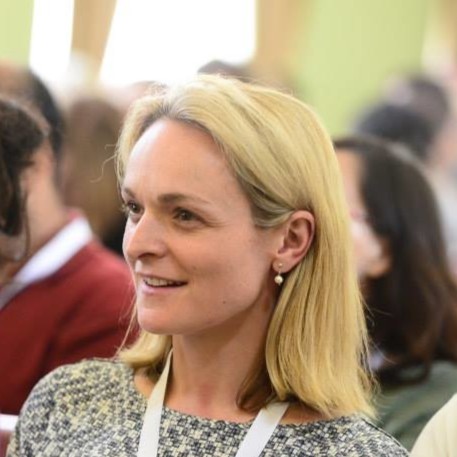
Katy’s interest in the brain, flourishing, and leadership began in high-pressure environments early in her career, where she saw how relationships, mindsets, and character shape whether people struggle or thrive. After serving in the British Army in Iraq, Europe, and the United States, she moved into school leadership roles focused on performance and development, and later completed a Doctorate at Oxford University exploring leadership and flourishing. She is now a Deputy Head at Wellington College, teaches at Oxford University, is a Senior Fellow of the Flourishing Network, hosted by the Human Flourishing Program at Harvard.
Katy co-founded a global youth leadership movement now active in over 100 countries and works internationally at the intersection of flourishing and wellbeing science, education, and leadership. Through her writing and teaching, she translates research into practical ways adults can help young people and teams to grow in character and flourish. Katy is co-author of ‘Leader. Know, Love, and Inspire Your People’ (Crown House); ‘Growing Minds. The Science of Raising Thriving Teens (Crown House); and co-editor of ‘Leadership for Flourishing’ (Oxford University Press). A former GB synchronised swimmer, current GB age-group triathlete and lover of skiing, mountain biking, and ballet, she is driven by a simple question: how do we create the conditions for people—and their brains—to thrive?